Home › Foundation and Basement Masonry
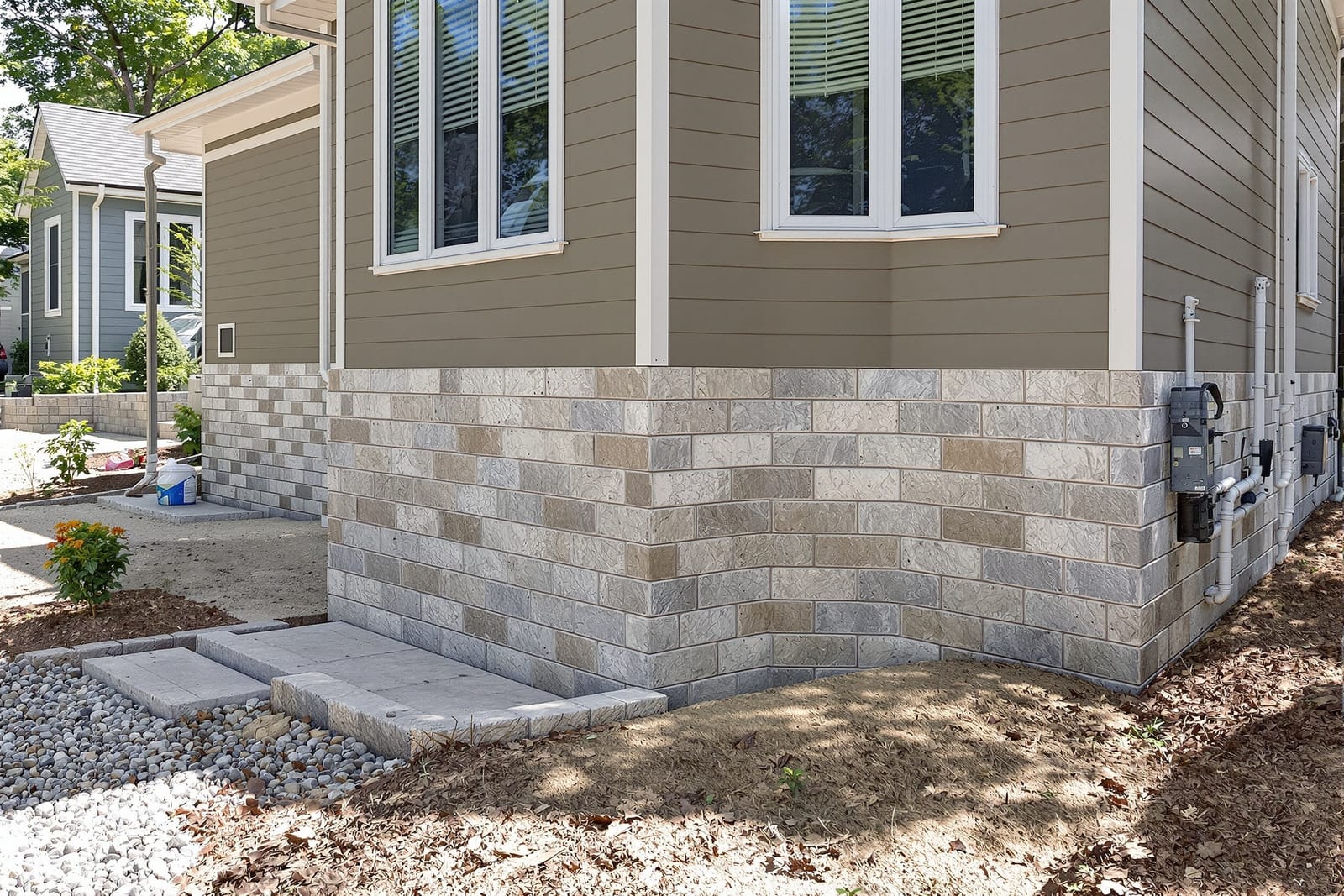
We provide masonry foundation repair in Scottsdale, AZ to stabilize block and stone walls under your home. Our crew evaluates cracks, movement, and moisture to choose the right fix. From reinforcing and regrouting joints to rebuilding failing sections, we help protect your structure from further damage.
Superior Masonry Scottsdale provides professional masonry foundation repair throughout Scottsdale, AZ, Arizona and the surrounding area. Our licensed, insured crew delivers safe, clean, on-time work with a free estimate before anything begins. Call (623) 288-3988 or request your free quote.
Masonry foundation repair and basement work in Scottsdale’s soil conditions
Foundation and basement masonry in Scottsdale is a little different than in cooler, wetter parts of the country. Our desert climate, caliche layers, and expansive soils all affect how a masonry foundation behaves. At Superior Masonry Scottsdale, we start every masonry foundation repair or new basement-related project with a site-specific look at your soil conditions, drainage, and existing structure, not a one-size-fits-all approach.
In Scottsdale, we often see foundations that were poured on or near hard caliche with pockets of expansive clay around the perimeter. This combination can cause uneven settling, diagonal cracks in masonry, stair-step cracking along block walls, and interior floor heaving. Before we touch a trowel, we document where and how the foundation is moving so we are correcting the real cause, not just patching a surface crack.
Our goal with any masonry foundation repair is to stabilize movement, restore load-bearing capacity, and keep future moisture and soil changes from undoing the work. That can involve structural repair of CMU (concrete masonry unit) walls, underpinning at key load points, or rebuilding damaged basement masonry where movement has already compromised strength.
How we inspect and diagnose foundation and basement masonry issues
A proper diagnosis is the difference between a cosmetic fix and a repair that actually keeps your home stable. Superior Masonry Scottsdale starts with a detailed visual inspection of interior and exterior foundation walls, slab edges, and any exposed basement masonry. We look for patterns: stair-step cracking on block joints, vertical splits at window and door openings, horizontal cracks that may indicate lateral soil pressure, and any separation between the foundation and framing.
We also check grading around the house, gutter and downspout locations, and where irrigation lines and landscaping sit in relation to foundation walls. In Scottsdale, a common problem is oversaturated soil next to block foundation walls from drip systems that run too long or are installed too close. This can cause localized settling and cracking in those areas.
When needed, we use simple measurement tools to track floor level changes and wall plumbness, then compare those across the home. If we suspect deeper issues, we may recommend involvement from a structural engineer. In those cases, Superior Masonry Scottsdale coordinates with the engineer so that your masonry foundation repair plan is stamped and clearly detailed, which can help with permitting and long-term resale value.
Typical foundation and basement masonry solutions we provide
Once we understand the cause of the problem, we design a repair scope that addresses structural issues first and appearance second. For minor cracking in sound masonry, we may simply route and seal cracks, then inject epoxy or use a specially formulated masonry repair mortar to restore continuity. This is appropriate where movement has stopped, such as minor shrinkage or old settlement that is no longer active.
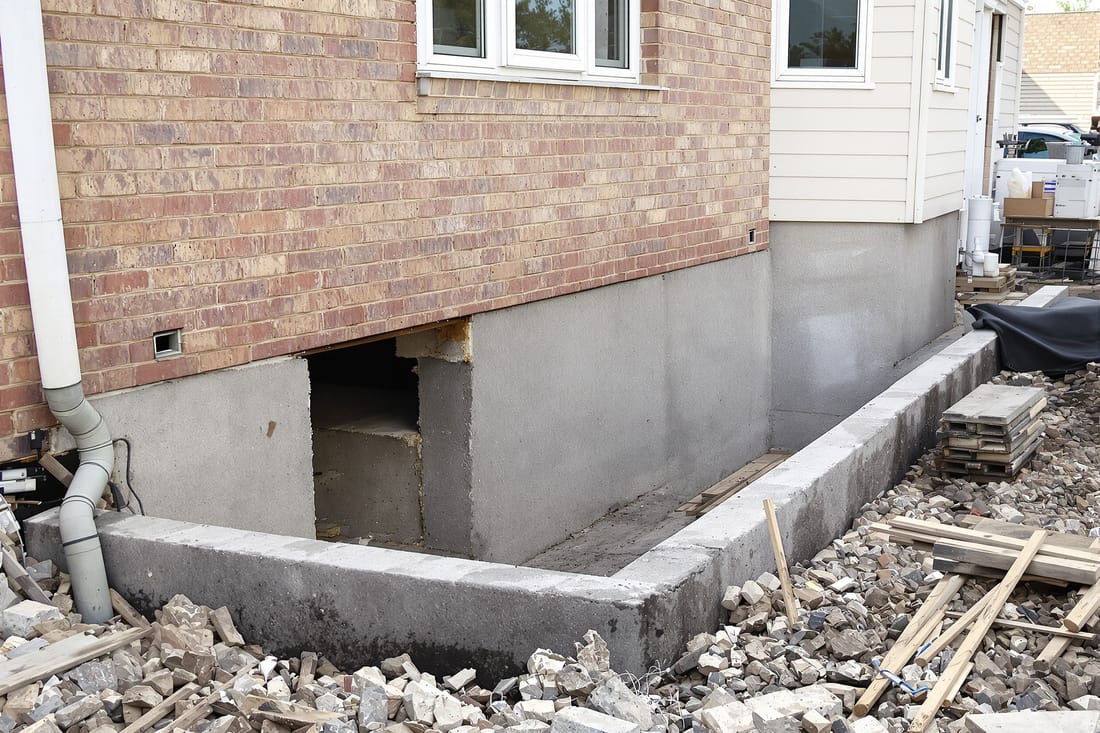
For more serious issues, we often repair or replace sections of CMU block wall. This can involve carefully cutting out cracked or displaced blocks, cleaning and preparing the surrounding masonry, and installing new block with high quality Type S or Type N mortar, chosen based on required compressive strength and flexibility. We match block size, texture, and color as closely as possible to the existing foundation or basement walls.
In basements and below-grade walls that show bowing or horizontal cracking from soil pressure, we may use reinforcement strategies such as adding interior masonry pilasters, installing vertical rebar and grout-filled cells in existing block, or tying a new reinforced interior wythe to the old wall. When moisture intrusion is involved, interior and exterior waterproofing membranes, drainage mats, and weep systems are often part of the repair so that the structural work is not undermined by continued water pressure.
Materials, techniques, and waterproofing options for Scottsdale homes
Superior Masonry Scottsdale works primarily with concrete block (CMU), poured concrete, and structural brick or stone where present in older homes. For foundations and basement walls, CMU with properly grouted and reinforced cells is often the most efficient and cost-effective solution in our area. We choose block density and reinforcement layout based on load requirements and soil conditions, not just availability.
For moisture management in below-grade applications, we combine multiple layers of protection. On the exterior, this can include cleaning the masonry, repairing all cracks and mortar joints, applying a cementitious waterproof coating, then installing a flexible membrane or asphaltic coating. We often add drainage board or dimple mat to create a path for water to move down to footing drains instead of sitting against the wall.
Inside, we may recommend vapor barriers, interior sealers, or a drainage channel at the footing that directs water to a sump basin. In Scottsdale, many older homes were not built with modern drainage in mind, so careful retrofit work is critical. We also talk with homeowners about landscape and irrigation changes that will support the repair, such as moving drip lines farther from the foundation and regrading soil so that water flows away from basement walls instead of toward them.
What affects cost and timeline for masonry foundation repair
Foundation and basement masonry work is highly project specific, so Superior Masonry Scottsdale prepares clear written estimates that break out labor, materials, and any engineering or permit costs. Key factors that influence cost include how accessible the work area is, how much of the foundation or basement wall is affected, whether structural reinforcement is needed, and whether we are working from the exterior, interior, or both.
If excavation is required along existing foundation walls, the depth and length of the dig, soil type, and proximity to hardscape (like patios or pool decks) all affect labor time and disposal fees. In some Scottsdale properties, tight lot lines or neighboring structures limit machine access, which means more hand digging and a longer schedule.
Permitting in Scottsdale for substantial structural foundation work or basement wall reconstruction usually runs through the city’s Building Department. Smaller non-structural repairs may not require a permit, but any repair that changes bearing capacity or alters reinforcement typically does. We inform you up front if permits or engineer letters will be required and factor the time for plan review and inspections into your timeline.
On most residential masonry foundation repair jobs, active work runs from a couple of days for small crack and block replacement projects to several weeks for major reinforcement, excavation, and waterproofing. We schedule inspections with the city when required, such as footing inspections for underpinning or reinforcement checks before backfilling, so that your repair is documented and compliant.
What Scottsdale homeowners should know before hiring a masonry foundation contractor
Before you hire anyone for masonry foundation repair or basement work, it is important to verify that they actually specialize in structural masonry, not just decorative block and pavers. Ask to see examples of previous foundation and basement projects in the Scottsdale or greater Phoenix area, and request references from homeowners who had similar issues resolved at least one or two years ago so you can confirm that the repairs are holding.
Superior Masonry Scottsdale recommends that you insist on a written scope of work that explains how the contractor will diagnose the problem, what materials and reinforcement they are using, and what is considered completion. Vague descriptions like “fix cracks” and “seal walls” are red flags. You should see itemized tasks such as block removal and replacement, rebar size and spacing, grout type, waterproofing materials, and backfill details.
Insurance and licensing matter with structural work. In Arizona, foundation and basement masonry contractors must hold the appropriate ROC license classification and carry liability insurance. We advise homeowners to check a contractor’s license status directly with the Arizona Registrar of Contractors and to confirm that any engineer involved is licensed in the state.
When you work with Superior Masonry Scottsdale, we are upfront about whether we believe your issue is mainly cosmetic or structural, and we will tell you when a structural engineer should be consulted before work begins. This straightforward approach helps you avoid paying for unnecessary work and ensures that legitimate structural problems get the correct level of attention from the start.